Resolution order matters more than symbol choice
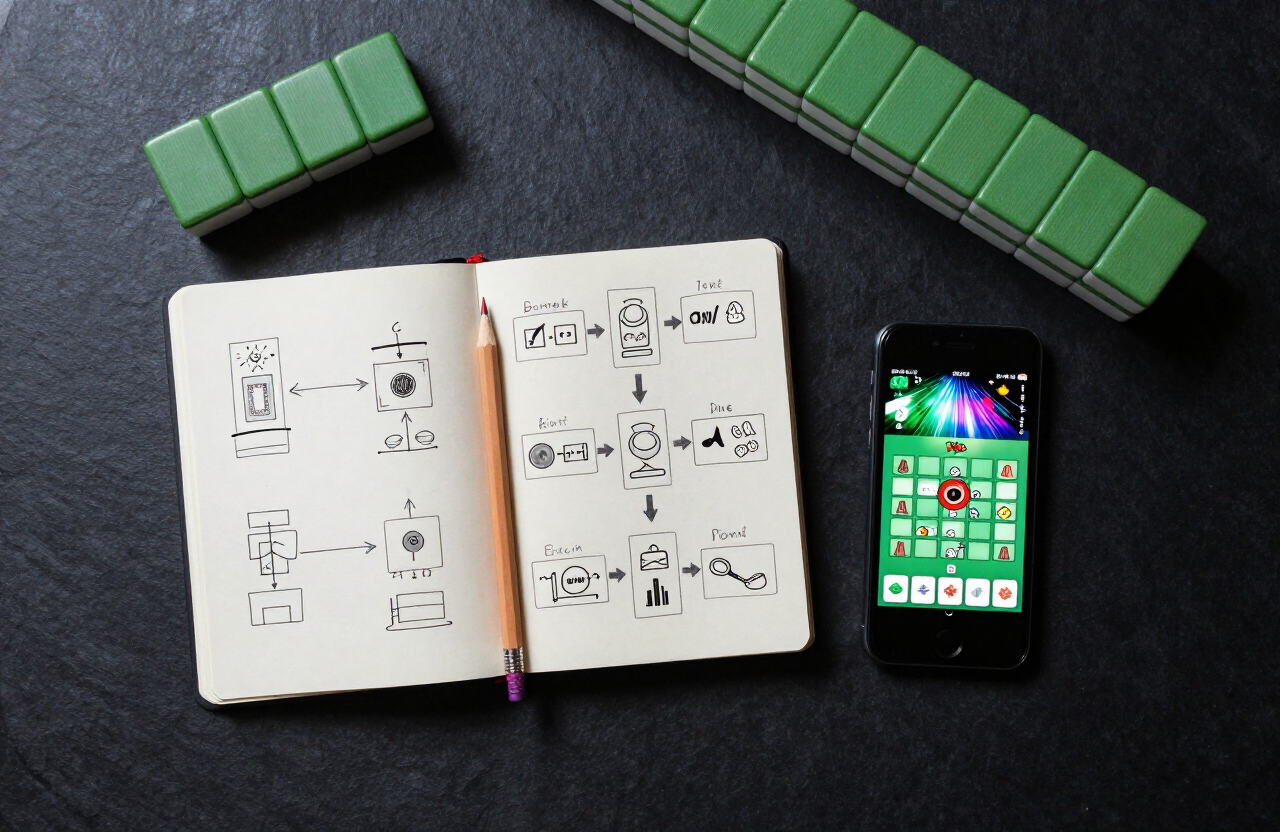
Every round resolves in a fixed sequence: matches are detected, tiles clear, replacements drop, then the multiplier band is evaluated. Because evaluation happens last, a chain that looks finished can still change value. Players who stop watching after the second cascade miss where most of the variance lives.
Reading the multiplier band
The band widens as consecutive cascades accumulate and resets on a dead board. Treat it as a short-memory system: it rewards continuity within a round, not across rounds. Nothing you did five rounds ago is stored anywhere.
That single fact removes most of the folk theories you will read in community chats about boards being “due” for anything.
FAQ
Do cascades carry over between rounds?
No. The band resets when the board goes dead, so each round is evaluated independently.